Blue ridge United
Player Safety
Blue Ridge United Player Safety
Welcome to Blue Ridge United's player safety page! As one of our core values, player safety is extremely important to our club.
On this page, you will find information and resources for your reference as we strive to provide our players with a safe and positive experience. Continued improvement regarding player safety is a priority for Blue Ridge United. As you may discover new and improved resources, please feel free to send it our way!
Goal Safety
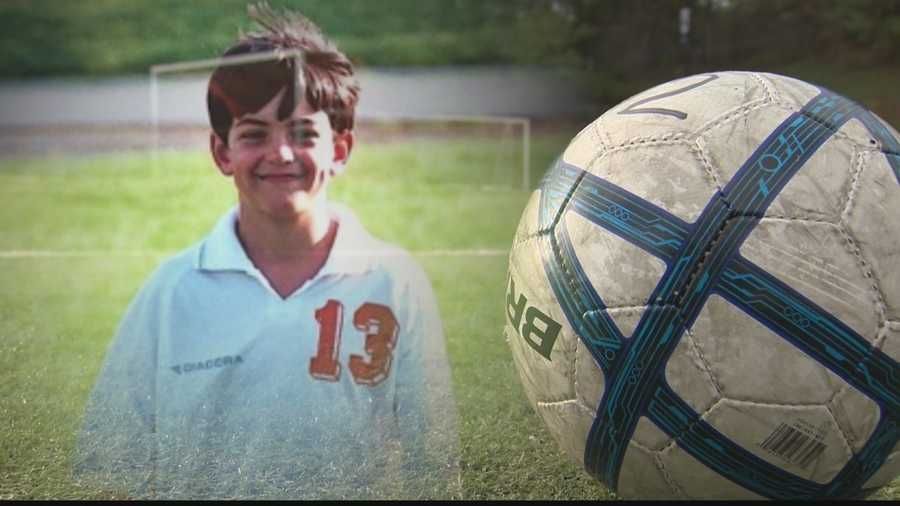
Hayden Barnes Ellias
12/19/1996 - 5/7/2007
Soccer Goal Tip Overs, NOT a Freak Accident
By: Mary Ellias
Soccer goals can be dangerous! They can injure, cripple and kill. We know first hand. Our son was killed by an unanchored goal.
Hayden was our son and he was Collin and Alanna's brother. Now he's no longer here. How do you explain to your children that their brother is dead because a soccer goal was not properly anchored? Unfortunately, this wasn't a freak accident. This happens all too often and most incidents don't get reported. There have been 32 reported deaths resulting from soccer goal tip overs, most of which occurred at a practice.
It was Monday, May 7, 2007. We left our house rushing out the door yelling at all the kids that we were going to be late if they didn't hurry up. Dinner was sitting on the stove for us to eat when we returned home. Little did we know that was the last we would see of that life of which we were so familiar. We arrived at the soccer field where Hayden was scheduled to have a scrimmage with another travel soccer team. We barely got the car in park and off he rushed to the field to play his favorite game. I'm not even sure if I said anything to him when he ran off. Maybe I said something like "make sure you have your bag" or "do you have your water?" That was the last time I would be able to say anything to him and hear a response like "OK Mamma."
Hayden was able to play in his scrimmage in other positions besides goalie. He scored the first goal of the game. As time went on, it was his turn to play goalie. This was nothing unusual as he shared the position of goalie with another player. Hayden had made a couple of saves in the short time he was in goal. Then came the last play we remember, Hayden saved a goal and kicked the ball to the other end of the field. It was such a nice, high kick that all eyes were on the ball. That's when my family's world turned upside down. There was a noise that didn't quite register, but I turned towards the noise, as did everyone else at that moment. What I remember seeing was our son lying face down lifeless on the ground.
I watched in slow motion as my husband, Greg, ran to him. I saw Collin running toward me crying, and Alanna looking to see what was going on. I held them close telling them it would be OK. I vaguely remember dialing 911 to tell the dispatcher my son was on the ground and a goal fell on him. I don't think at that time I truly understood what was happening. I remember the looks on people's faces around me, reading every one of them. I knew it was serious. They tried to stop me from going to him, but I knew he needed his Mommy. When I got to Hayden, Greg was covered in his blood, and others were franticly helping. I could hear what sounded like echoes of people saying thinks like "he's not breathing", "I don't have a pulse!" Then clear as day I heard Hayden cry when he was born. I heard a silence. Greg, who is a registered nurse, looked up at me and said, "it's bad Mary, it's real bad!"
Greg rode in the ambulance with Hayden to the hospital. Another parent, an off duty police officer, drove me. Other friends took Collin and Alanna home where my best friend awaited their arrival. On the ride to the hospital, I made as many calls as I could to inform friends and family of Hayden's incident. When we arrived at the hospital, it was as though my legs forgot how to walk. I finally walked in the hospital with the help of Brian, the officer. I was greeted by one of Hayden's teammate's mom whose face spoke a thousand sorrows. She stayed with us as I was escorted to a special room. That is where I saw Greg sitting on a couch, helpless, his arms being washed of Hayden's blood by a nurse that was there at the field with us. I heard him remind another nurse that Hayden would need some blood as he lost a lot on the field. I knew in that moment what I was going to hear the doctor say. It was less than 1 hour from when the goal tipped over that the doctor entered our room and told us our son, Collin and Alanna's brother, had died.
That's the story we relive every day of our lives. With that story is the knowledge that if the soccer goal had been properly anchored or designed not to tip over, we would still have our precious Hayden and his warm smile. We were ignorant to the danger even though we walked right next to a goal that evening.
I have since learned how many of these accidents have occurred. It's our mission, "Hayden's Goal," to spread the word about anchoring goals and using non-tipable goals. Referees, coaches, managers, players and especially parents need to know what they can do to prevent another tragedy like Hayden's.
As parents, we know it's our job to protect our children every day. Why should this be any different? If you have read this story, you now know how terribly wrong things can go when simple measures aren't followed. It is our duty as referees, coaches, managers and parents to ensure safety on the soccer field.
We should empower our children with the knowledge of soccer goal safety. Let them know they have the right to speak up and tell a coach if they feel a goal is not properly secured. Let the coaches know to heed their warning. This is their precious life we are talking about, and no game, no practice is worth risking their safety.
First Aid/CPR
A first-aid kit is a tool, but any tool is only as good as the person using it.
First-aid kits are one place where personal needs and practical skills come together. There are ways to prepare for emergencies that have nothing to do with collecting supplies. This includes learning practical skills that you can use to protect yourself and others.
Many practical skills are easy to learn. Some require special certification or formal training. Others just education. Practical skills include learning how to:
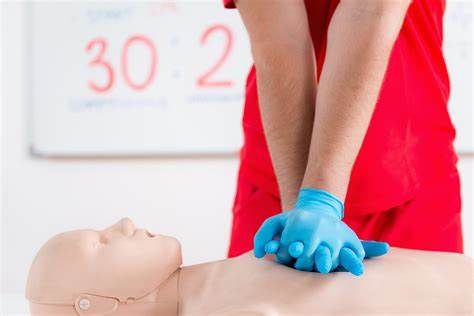
- Perform hands-only cardiopulmonary resuscitation (CPR)
- Operate an automated external defibrillator (AED)
- Apply a tourniquet and control bleeding
- Administer seizure first aid
- Use the contents of a first-aid kit
Family, friends, coworkers, and bystanders—not first responders—are often first on the scene in a medical emergency. Elkins has seen this many times in the field. “One time, we had a patient who had a very bad accident with a circular saw,” she recalls. “There was a lot of blood on the floor. The patient’s coworker, who had no formal training, put all his body weight on the wound and used it to slow the bleeding. He yelled for help until others came and called 911. He saved his coworker’s life because he made the right decision and took action.”
(excerpt from Center for Disease Control and Prevention website)
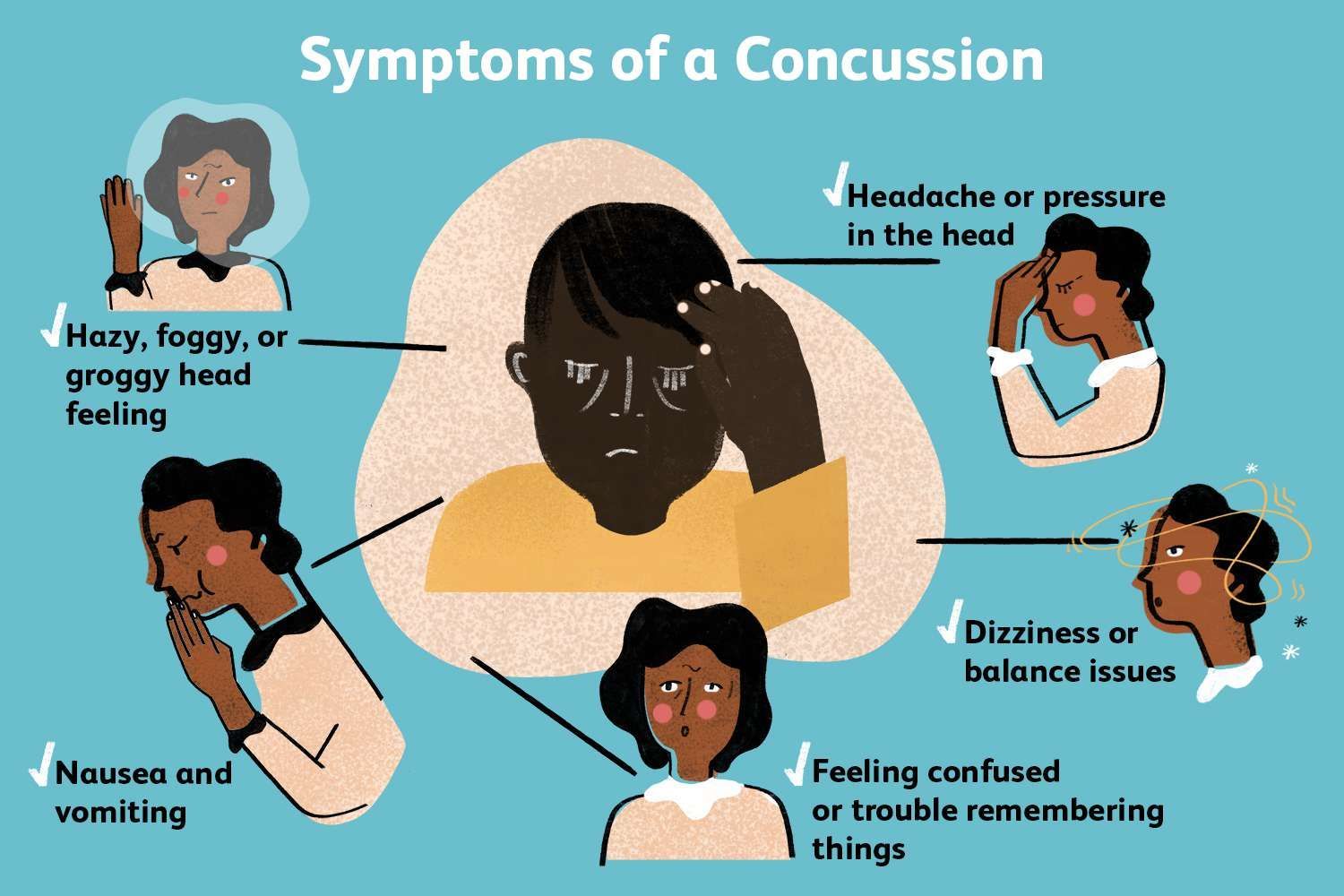
Concussions
Safesport

U.S. Soccer Federation (U.S. Soccer), the national governing body for the sport of soccer in the United States. U.S. Soccer has developed the Safe Soccer Framework as a foundation from which all participants in the soccer community, be they athletes, coaches, referees, administrators or volunteers, play an active role in creating an environment free from emotional, physical or sexual abuse. The Safe Soccer Framework is a comprehensive program of policies and process, screening, education and training, reporting, monitoring and enforcement designed to help participants detect and report abuse, respond to it, and prevent future occurrences.
If you suspect child abuse, report it to law enforcement within 24 hours.
Virginia Youth Soccer Association is dedicated to maintaining zero tolerance for Prohibited Conduct. As such, it is vital that everyone actively participates in the protection of Youth. VYSA encourages everyone to report SafeSport Code violations and stresses that Covered Personnel are mandatory reporters per applicable state and federal law.
Under the SafeSport Act, the reporting obligation is triggered when a mandatory reporter becomes aware of “facts that give reason to suspect” a child has suffered an incident of child abuse. Child abuse includes physical or mental injury, sexual abuse or exploitation, or negligent treatment of a child. Sexual Abuse is defined to include the employment, use, persuasion, inducement, enticement, or coercion of a child to engage in, or assist another person to engage in, sexually explicit conduct or the rape, molestation, prostitution, or other form of sexual exploitation of children or incest with children. Mental Injury means harm to a child’s psychological or intellectual functioning which may be exhibited by severe anxiety, depression, withdrawal or outward aggressive behavior, or a combination of those behaviors, which may be demonstrated by a change in behavior, emotional response or cognition.
The SafeSport Act also includes qualified immunity for good faith reports. U.S. Soccer urges all mandatory reporters to refrain from judging or evaluating the credibility of such allegations leave that to law enforcement.
Failure to promptly report suspected child abuse to law enforcement authorities may constitute a violation of applicable state and federal law and, in any event, will be deemed a violation of U.S. Soccer’s SafeSport Framework.
Sideline Etiquette
POSITIVE SIDELINE BEHAVIOR
Positive sideline behavior from parents is essential for maintaining a healthy, enjoyable sports environment for young athletes. Studies consistently show that children perform better and enjoy sports more when parents offer positive support rather than criticism or coaching from the sidelines. For example, athletes whose parents show supportive behaviors, like cheering positively or encouraging effort, report higher levels of confidence and enjoyment in the game.
On the flip side, negative behaviors, such as yelling at referees or criticizing the child, can lead to decreased self-esteem, anxiety, and even a loss of interest in sports altogether.
It's crucial for parents to understand that their actions not only affect their own children but also set a behavioral example for the entire team. By fostering a sense of community and promoting encouragement rather than critique, parents help create a positive environment that nurtures the child's love for the game.
Please check out the US Youth Soccer Sideline Etiquette Guide as you join your player(s) out on the field this season.